
Preserving Collection
Homemade Pickles & Preserves: A Beginner's Guide
18 tested recipes
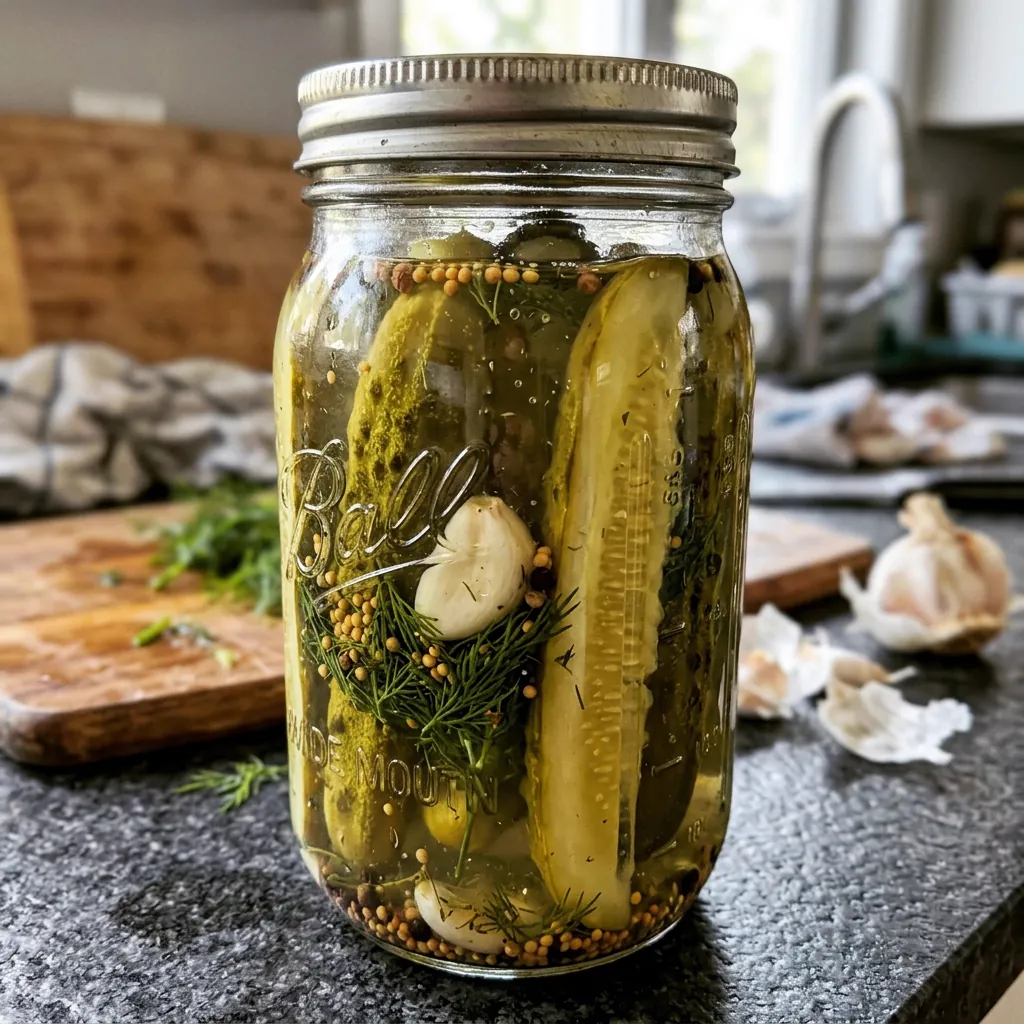
A reliable pickle recipe comes down to one thing: the right balance of acid, salt, and water, whether you are making a quick refrigerator pickle or a water-bath canned jar. This beginner's guide to homemade pickles and preserves explains the difference between quick pickles, canned pickles, and fermented pickles, then covers the acidity and safety rules, the equipment you need, and the sterilization steps that keep every batch safe.
Quick pickle recipe vs canned vs fermented
A quick pickle recipe, also called a refrigerator pickle, relies on vinegar brine instead of fermentation, so the flavor comes straight from the jar liquid and the vegetables are ready in hours or days. Because quick pickles are stored cold and eaten within a few weeks, they rarely need canning.
Canned pickles are packed in a hot vinegar brine and processed in a boiling-water bath so they become shelf-stable for a year or more. Fermented pickles, such as true dill pickles and sauerkraut, get their tang from salt-tolerant bacteria that produce lactic acid over one to several weeks; they are a different process with different safety rules.
Boiling-water vs pressure canning
Boiling-water canning is for high-acid foods: pickles, relishes, jams, jellies, fruit, and acidified tomato products. The water bath reaches about 212 degrees F, which is hot enough to destroy spoilage organisms in an acidic environment and to seal the jars.
Low-acid foods such as plain vegetables, meats, and beans must be processed in a pressure canner, which reaches 240 degrees F and kills the bacteria that cause botulism. A boiling-water bath is never safe for these foods, no matter how long you process them.
Acid levels and tested recipes
Use commercial vinegar labeled 5% acidity, and do not reduce the vinegar or increase the water called for in a recipe; that changes the pH and can make the food unsafe. Do not stretch a recipe with extra vegetables either, since more low-acid produce dilutes the acid.
The dividing line for canning safety is a pH of 4.6. Pickles, salsa, and fruit spreads sit below it, while plain vegetables sit above it. Start from tested recipes published by the National Center for Home Food Preservation, the USDA, or a current Ball canning guide, and only then adjust seasonings that do not change acidity.
Equipment, jars, and how to sterilize
You need a water-bath canner or a large pot with a rack, Mason-style jars with new two-piece lids, a wide-mouth funnel, a jar lifter, and a bubble remover or thin spatula. A digital scale and an instant-read thermometer help you stay consistent.
To sterilize jars, boil them upright in water for 10 minutes, adding 1 minute for every 1,000 feet of elevation above 1,000 feet; keep them hot until filling. If a recipe is processed for 10 minutes or longer, clean hot jars are enough, but shorter processes and quick freezer pickles should start with clean, pre-sterilized jars.
Headspace and getting started
Headspace is the empty gap between the food and the lid, usually 1/2 inch for pickles and tomato products and 1/4 inch for jams and fruit butters. Too little headspace pushes brine out during processing and can prevent a seal; too much leaves trapped air.
Begin with a quick pickle recipe so you learn brine ratios and packing without the pressure of canning. Once that feels easy, move to a tested water-bath recipe and follow its times exactly, adjusting only for your altitude.
Browse All Preserving Recipes
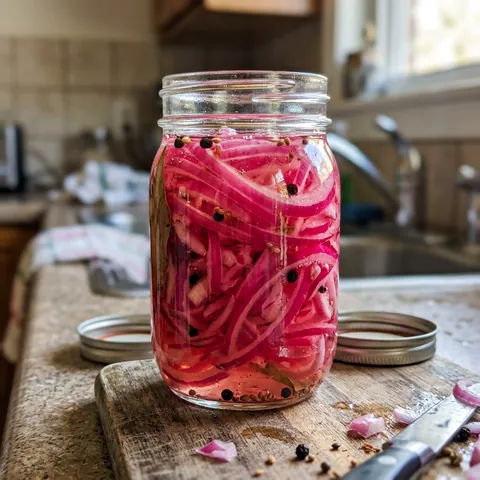
Pickled Red Onions (Ready in 30 Minutes)
This pickled red onion recipe needs just four main ingredients and about 30 minutes of chilling before the onions are...
Open recipe →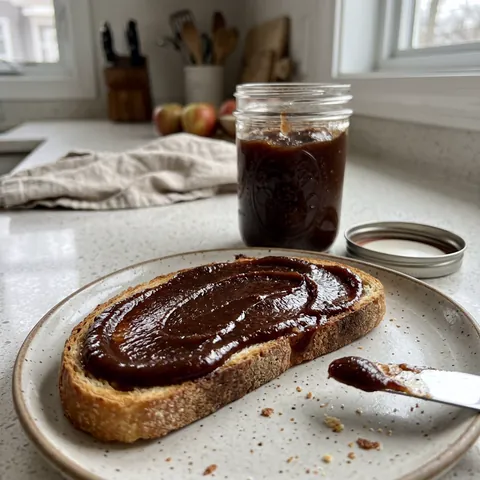
Apple Butter (Stovetop & Oven, Canning-Ready)
This apple butter recipe cooks spiced apples down into a thick, dark, spreadable preserve, with tested water-bath...
Open recipe →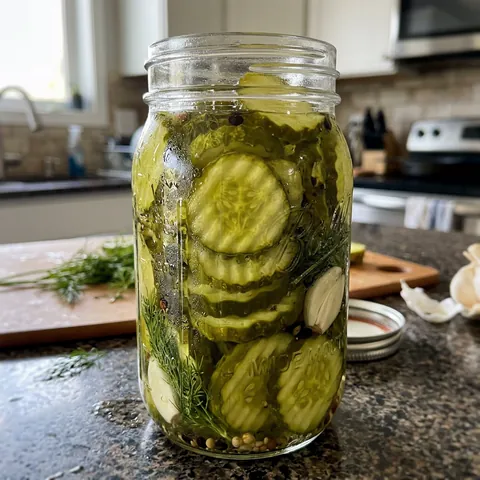
Refrigerator Pickles (Crunchy Dill, No Canning)
This refrigerator pickles recipe makes crisp, garlicky dill pickles in a simple vinegar brine without any canning.
Open recipe →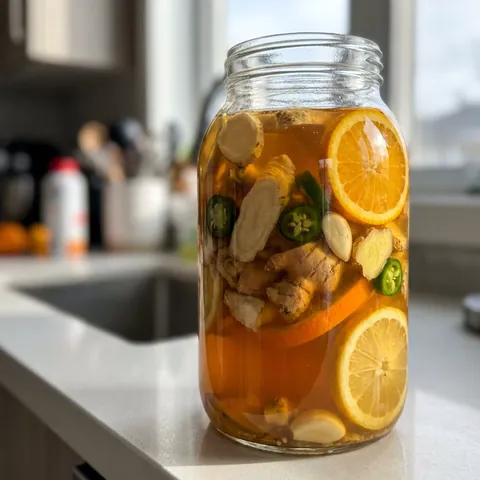
Fire Cider Recipe (Homemade Apple Cider Vinegar Tonic)
This fire cider recipe is a folk-style vinegar infusion of horseradish, ginger, garlic, citrus, and hot pepper, steeped...
Open recipe →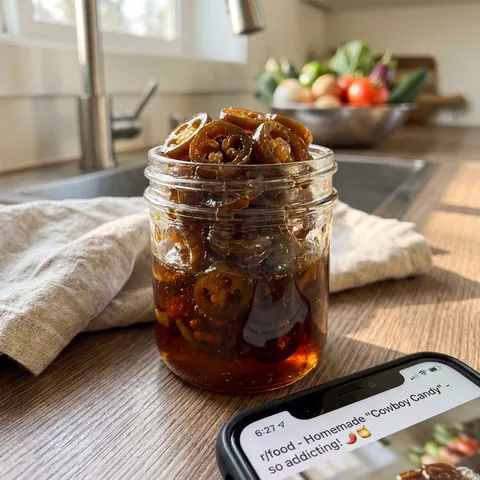
Cowboy Candy (Candied Jalapeños: Quick or Canned)
This cowboy candy recipe turns sliced jalapeños into sweet, sticky, barely-spicy rings that are addictive on cream...
Open recipe →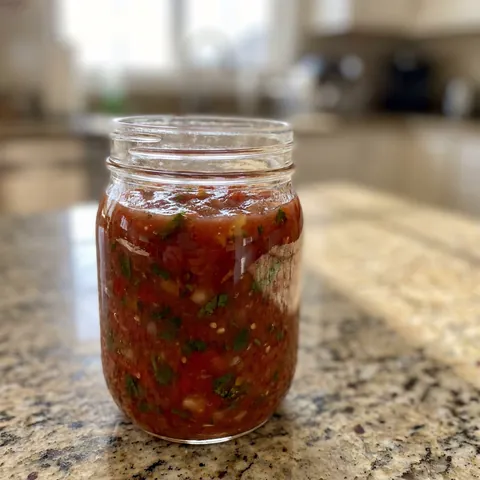
Canning Salsa (Safe Water-Bath Recipe for Beginners)
These salsa canning recipes use a tested tomato-to-acid ratio so you can put up shelf-stable jars of homemade salsa...
Open recipe →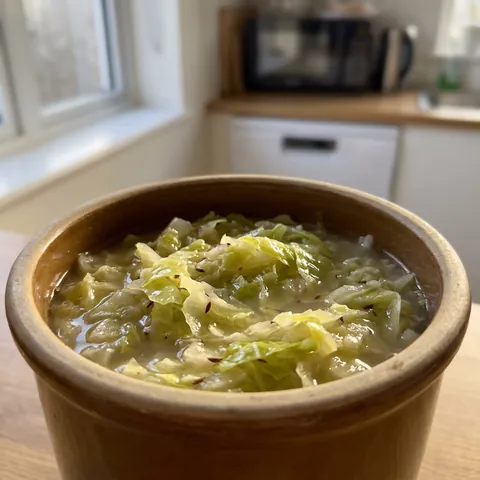
Homemade Sauerkraut (Simple Crock or Jar Ferment)
This sauerkraut recipe turns a head of cabbage and salt into tangy, crunchy fermented kraut using nothing more than a...
Open recipe →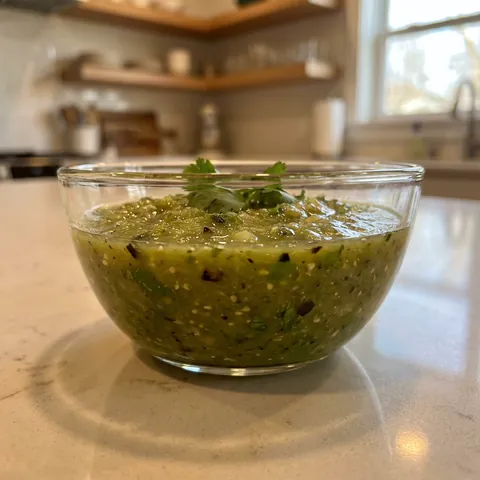
Salsa Verde (Roasted Tomatillo, Blender Recipe)
This salsa verde recipe broils tomatillos, chiles, and garlic until blistered, then blends them into a bright, tangy...
Open recipe →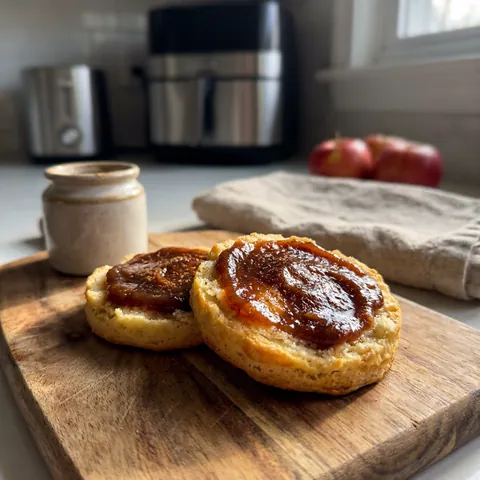
What to Do With Apple Butter: Easy Ways to Use It
Apple butter is one of the most useful jars in a preserving pantry, and these recipes with apple butter show how far...
Open recipe →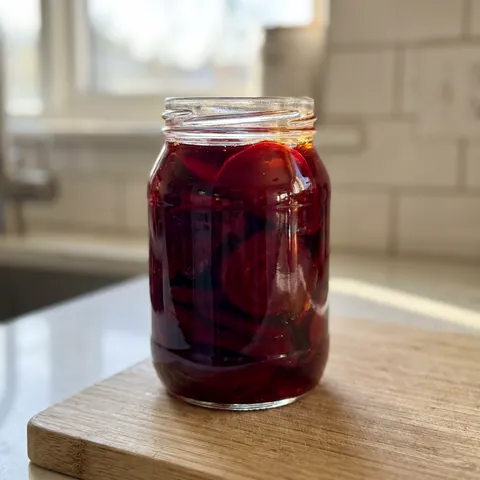
Pickled Beets (Refrigerator or Canned)
This pickled beets recipe cooks the beets until tender, then covers them in a sweet-tart brine for an earthy,...
Open recipe →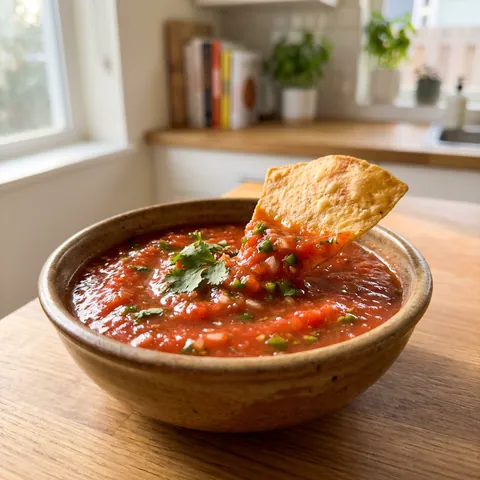
Homemade Salsa (Restaurant-Style, 5 Minutes)
This homemade salsa recipe blends canned tomatoes, onion, jalapeno, and lime into a fresh restaurant-style dip in about...
Open recipe →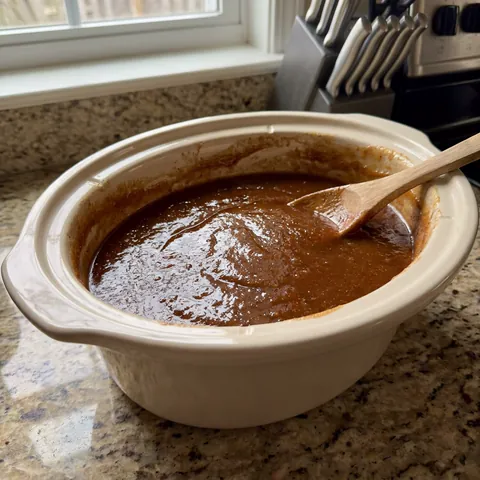
Slow Cooker Apple Butter (Hands-Off, No Added Pectin)
This slow cooker apple butter recipe is hands-off: the apples cook down overnight, then finish uncovered until thick...
Open recipe →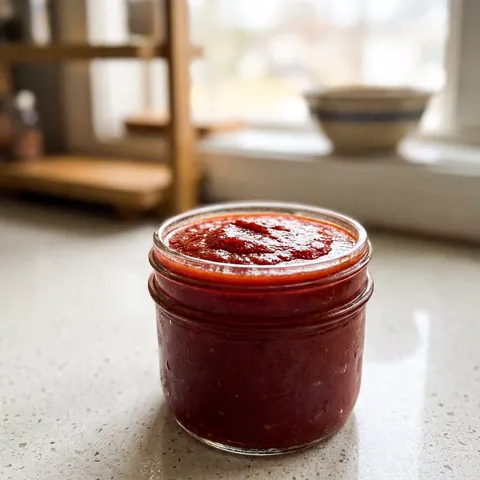
Canning Tomato Sauce (Safe, Step-by-Step)
This canning tomato sauce method simmers ripe tomatoes into a thick sauce and acidifies each jar with bottled lemon...
Open recipe →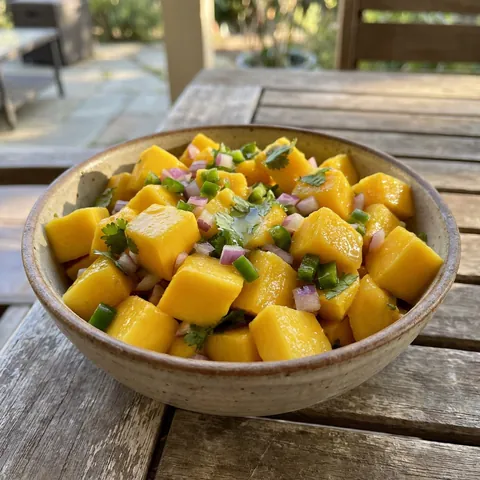
Mango Salsa (Fresh, With Lime & Cilantro)
This mango salsa recipe tosses ripe mango with red onion, jalapeno, lime, and cilantro for a sweet-and-spicy fresh...
Open recipe →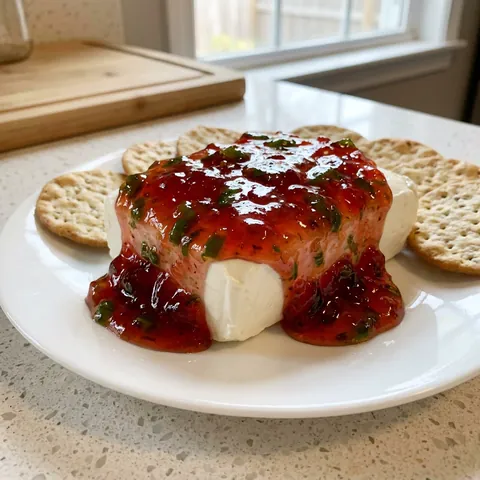
Hot Pepper Jelly (Sweet-Heat, Perfect With Cream Cheese)
This chili pepper jelly recipe cooks hot peppers, vinegar, and sugar with liquid pectin into a sweet-hot jelly that...
Open recipe →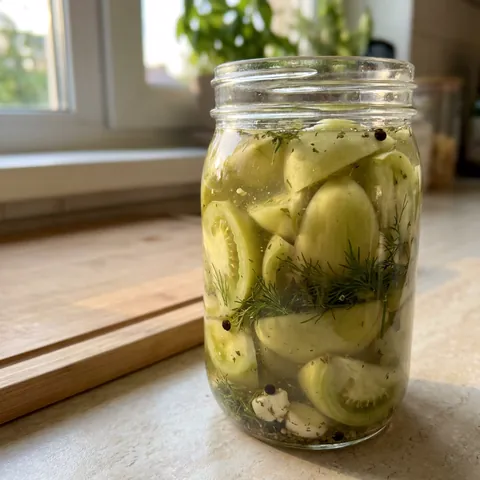
Pickled Green Tomatoes (End-of-Season Garden Rescue)
Pickled green tomatoes turn a pile of unripe end-of-season tomatoes into tangy, crunchy slices that work on sandwiches,...
Open recipe →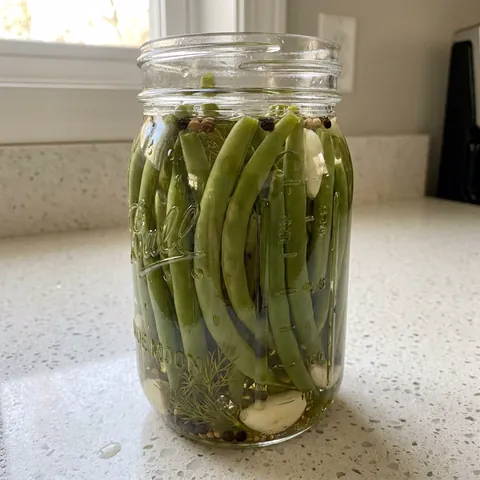
Pickled Green Beans (Dilly Beans, Quick or Canned)
These pickled green beans, also called dilly beans, are a crisp, garlicky snack that starts as an easy refrigerator...
Open recipe →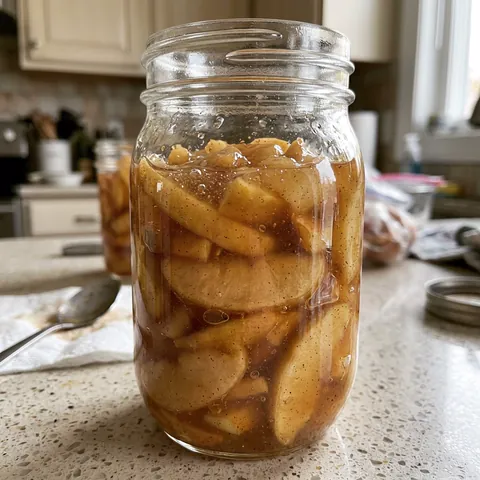
Canning Apple Pie Filling (Using ClearJel)
This apple pie filling recipe for canning thickens sliced apples with ClearJel so the filling holds its body through...
Open recipe →Related Collections
Preserving FAQ
What is the difference between pickling and fermenting?
Pickling preserves food in an acidic vinegar brine, so the tang comes from added acid and the food is ready quickly. Fermenting relies on beneficial bacteria to create lactic acid over days to weeks and uses salt rather than vinegar as the starting preservative.
Do refrigerator pickles need to be canned?
No. Quick refrigerator pickles are stored in the fridge and eaten within about 3 to 4 weeks, so they do not require water-bath processing. Only can them if you are following a tested recipe written specifically for shelf-stable canning.
Is boiling-water canning safe for pickles?
Yes, because pickles are high-acid, a boiling-water bath is the correct method for pickles, relishes, jams, and fruit spreads. Low-acid foods such as plain vegetables and meats require a pressure canner instead.
How much headspace should pickles have?
Leave 1/2 inch of headspace for pickles, relishes, and most tomato products, and 1/4 inch for jams, jellies, and fruit butters. The right gap lets the jar vent properly and helps form a strong vacuum seal.
Where do I find tested canning recipes?
Use the National Center for Home Food Preservation, USDA Complete Guide to Home Canning, or a current Ball Blue Book. These sources have been lab-tested for acidity and process times, so their ratios should not be changed.