
Dutch Oven for Sourdough? (Alternatives That Work)
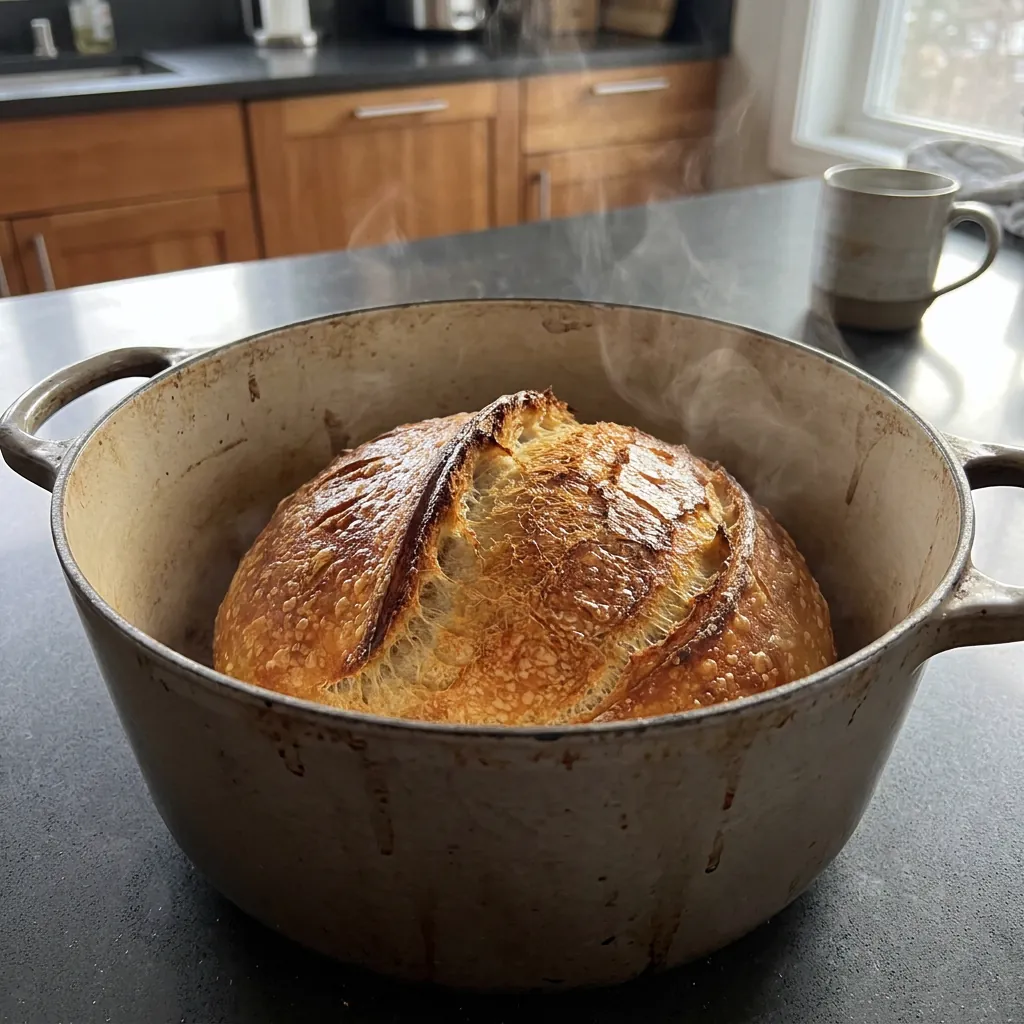
A Dutch oven for sourdough bread is one of the most reliable tools you can own, because it traps the steam a home oven cannot hold and bakes the loaf in a hot, humid chamber. If you do not own one, several alternatives can produce a similar crust and oven spring. Here is how the method works and how to choose, or substitute, the right gear.
Why a Dutch oven works so well
Sourdough needs steam early in the bake to keep the crust soft so the loaf can expand fully. A covered Dutch oven captures the moisture the dough releases, creating its own steam chamber.
The heavy walls also hold and radiate heat, giving the bread a strong initial rise and a deeply caramelized crust once the lid comes off.
What to look for: size and material
A 4 to 6 quart round or oval Dutch oven fits a standard 1 to 1.5 pound loaf with room to rise. Go larger only if you bake big batards.
Enameled cast iron is easy to clean and rust-resistant, while bare cast iron browns the bottom a touch faster. Check that the knob is rated for at least 450F, since some handles are only oven-safe to 400F.
Alternatives that still trap steam
A combo cooker is essentially a shallow skillet and a deep pan that clamp together, and it is easier to load a wet dough into than a deep pot.
You can also bake on a preheated baking stone or steel with a metal pan of boiling water underneath for steam, or invert a large metal bowl over the loaf on a stone. A ceramic or clay baker with a lid works on the same principle.
Baking with and without a Dutch oven
With a Dutch oven, preheat the pot at 450F to 500F for 30 to 45 minutes, load the scored dough, and bake covered 20 minutes. Remove the lid and continue 20 to 25 minutes until the crust is deep brown.
Without a lid, bake on a stone at 450F with a steam pan for the first 15 minutes, then vent the steam and finish dry. Expect a slightly less dramatic spring and a thinner crust.
Care and safety notes
Line the pot or the dough with parchment to prevent sticking and to make lowering a soft loaf safe. Never put a cold pot straight into a hot oven or a hot pot onto a wet counter, which can crack enamel.
The pot stays dangerously hot for a long time after baking, so set it on a heatproof trivet and keep the lid off until it cools.
Handy Tips
- Disclosure: if any product links on this page are affiliate links, we may earn a small commission at no extra cost to you, and we only recommend gear we would use ourselves.
- Match your pot size to your loaf; a pot that is too wide spreads the steam and the dough flattens instead of rising.
- Preheat the Dutch oven thoroughly. A cold pot is the most common reason for pale crust and weak oven spring.
Keep Exploring Sourdough Recipes
Explore another collection
Frequently Asked Questions
Do I really need a Dutch oven for sourdough?
No, but it makes consistent results easier. If you do not have one, a baking stone with a steam pan, a combo cooker, or an inverted metal bowl can capture enough steam to bake good sourdough.
What size Dutch oven is best for sourdough bread?
A 4 to 6 quart pot suits most home loaves. Choose 5 to 6 quarts if you often bake batards or larger boules, and check that the lid is oven-safe to at least 450F.
Enameled or bare cast iron for baking bread?
Both work. Enameled is easier to clean and resists rust, while bare cast iron can brown the bottom slightly faster. Enameled is often the friendlier choice for frequent bakers.
Can I bake sourdough in a ceramic or clay pot?
Yes. A lidded clay or ceramic baker traps steam much like a Dutch oven, though clay should be preheated gradually and per the maker's instructions to avoid cracking.