
Sourdough Collection
Sourdough Bread Recipe for Beginners (Step-by-Step Guide)
17 tested recipes
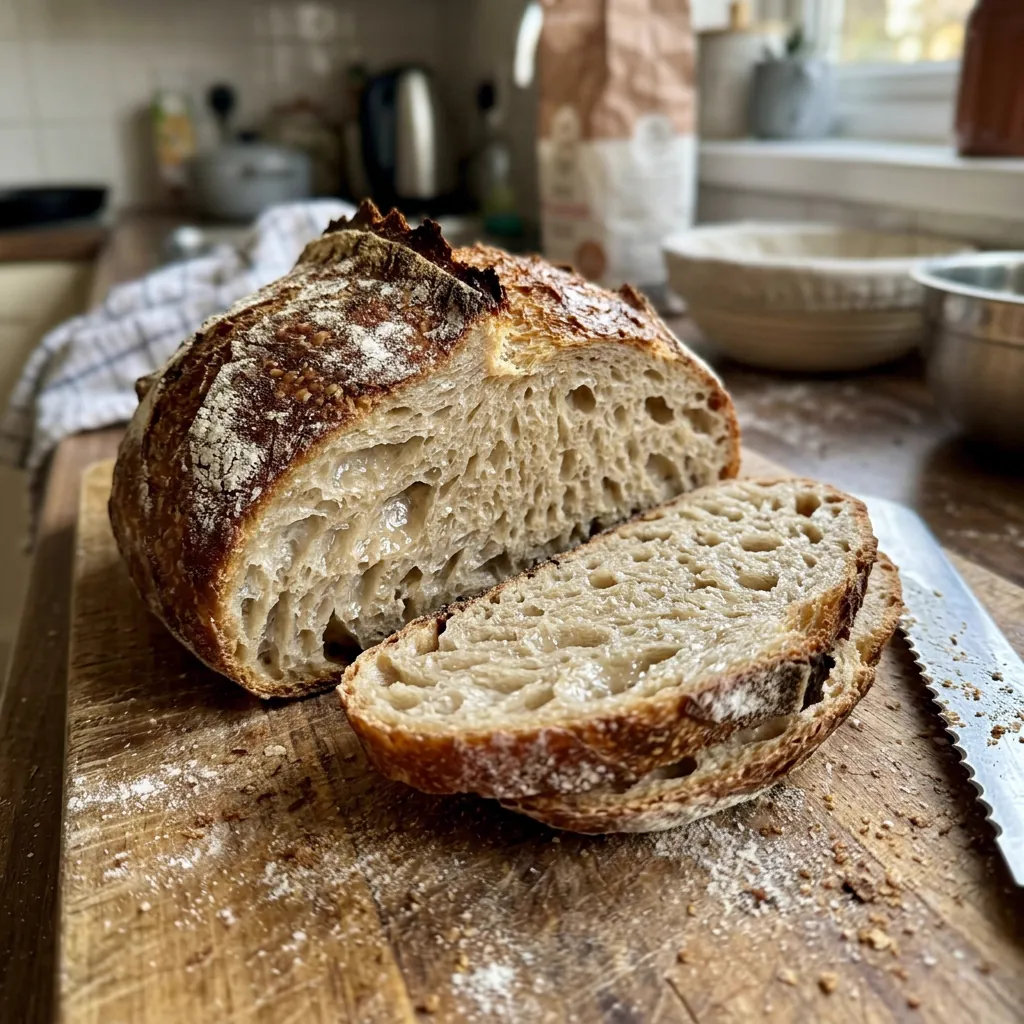
A sourdough bread recipe is really a method: a healthy starter leavens flour and water, time and temperature build flavor, and a hot, steamy oven sets the crust. This hub gathers the core beginner loaf plus the feeding, shaping, and troubleshooting skills behind every sourdough bread you bake, from your first plain batard to whole grain and enriched doughs.
How a basic sourdough dough bread recipe works
Three ingredients do the work in sourdough: flour, water, and salt, plus the wild yeast and bacteria living inside your starter. The starter is a flour-and-water culture that produces gas and acid, and a sourdough recipe is simply a schedule for feeding that culture, building dough strength, and letting fermentation develop flavor.
Hydration is the baker's term for the ratio of water to flour by weight. A beginner loaf sits around 70 percent hydration, meaning 700 grams of water for every 1000 grams of flour, which is slack enough to be airy yet still easy to shape by hand.
The master sourdough bread recipe formula
Start from a simple baker's percentage formula: 500 grams bread flour is 100 percent, 350 grams water is 70 percent, 100 grams active starter is 20 percent, and 10 grams salt is 2 percent. This yields one 900-gram loaf or two small batards.
Mix the dough, rest it 30 to 60 minutes, then add salt and work through a series of stretch-and-folds. Bulk fermentation at room temperature takes 4 to 8 hours depending on kitchen temperature and starter strength, followed by shaping and a cold retard in the fridge overnight.
Sourdough timeline from starter to first loaf
A typical schedule for an easy sourdough recipe: feed the starter in the morning and wait until it has domed and roughly doubled, about 4 to 6 hours. Mix the dough in the afternoon, bulk ferment into the evening, shape at night, then cold proof in the fridge for 12 to 16 hours.
Bake the next morning at 450 to 475 degrees Fahrenheit in a Dutch oven, 20 minutes covered and 20 to 25 minutes uncovered, until the crust is deep brown and the loaf sounds hollow when tapped on the base.
Sourdough crumb troubleshooting and dough handling
A gummy or dense crumb usually points to underfermentation or an immature starter, while large irregular holes near the top over a tight bottom often mean underproofing plus weak shaping. A flat, pale loaf that spreads rather than rises usually signals overproofing or too much water for the flour on hand.
Handle dough with wet or lightly floured hands, keep folds gentle, and pre-shape to build surface tension before the final shape. Note that pumpkin sourdough bread and whole grain loaves absorb more water, so hold back a little liquid until the flour tells you it has had enough.
Recipes for sourdough and recipes with sourdough starter to try next
Once the master loaf works, the same starter opens up recipes with sourdough starter for focaccia, pizza dough, bagels, cinnamon rolls, and English muffins, plus quick discard bakes such as pancakes and crackers.
Keep the feeding routine steady with a dedicated guide, and branch into a sandwich loaf, dinner rolls, or a whole wheat sourdough bread as your confidence grows. Each build is a variation on the same starter, hydration, and fermentation logic.
Browse All Sourdough Recipes
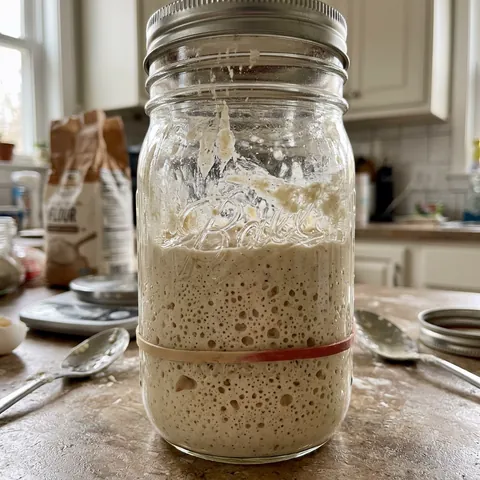
How to Make a Sourdough Starter From Scratch (7-Day Guide)
A sourdough starter is a live culture of flour and water that captures wild yeast and bacteria to leaven bread.
Open recipe →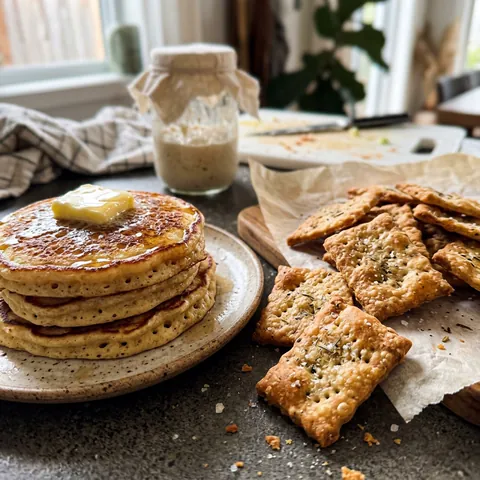
Sourdough Discard Recipes: Easy Ways to Use It Up
Sourdough discard recipes let you turn the starter you would otherwise pour down the drain into pancakes, crackers,...
Open recipe →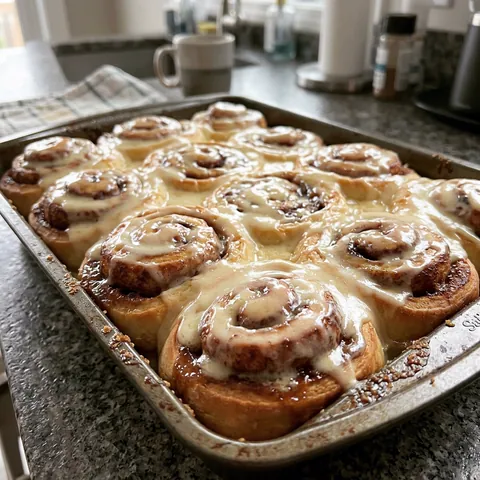
Sourdough Cinnamon Rolls (Soft, Overnight Method)
Sourdough cinnamon rolls are soft, swirled buns leavened entirely with starter and proofed overnight in the fridge for...
Open recipe →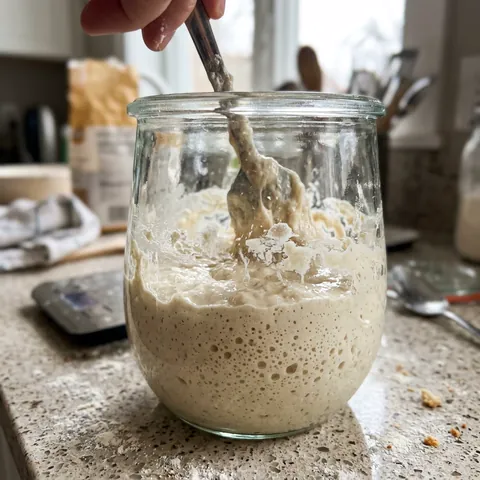
How to Feed a Sourdough Starter (Schedule, Ratios & Fixes)
Feeding a sourdough starter means giving it fresh flour and water so the yeast and bacteria inside stay active and...
Open recipe →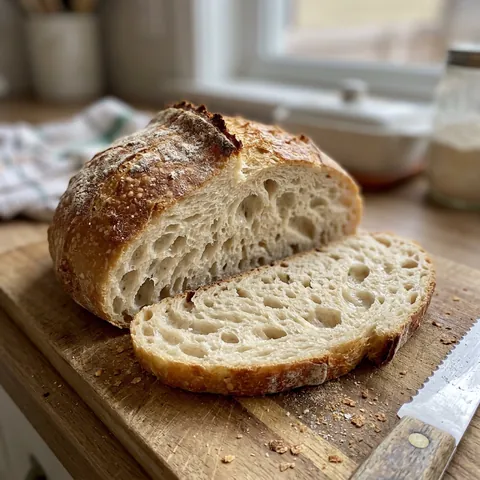
Is Sourdough Bread Healthy? (Benefits & Limits)
Sourdough bread can be part of a healthy diet, and it may offer a few advantages over fast-risen commercial bread, but...
Open recipe →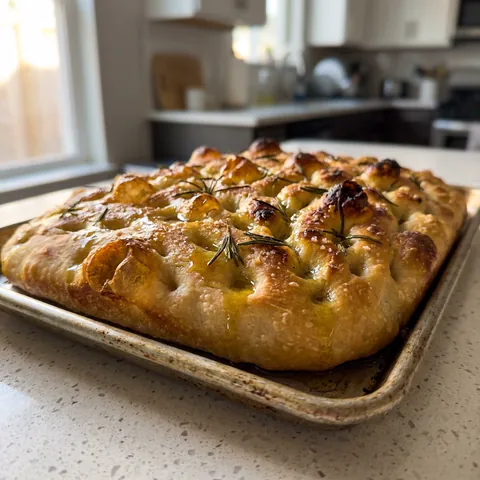
Sourdough Focaccia (Crispy Edges, Airy Crumb)
Sourdough focaccia is a dimpled, olive-oil-rich flatbread with a crisp golden bottom and an airy, open crumb.
Open recipe →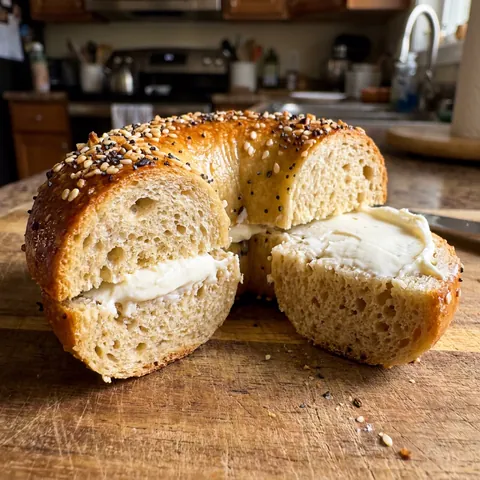
Sourdough Bagels (Chewy, Boiled & Baked)
Sourdough bagels are chewy, lightly tangy rings of bread that get their signature texture from a quick boil before...
Open recipe →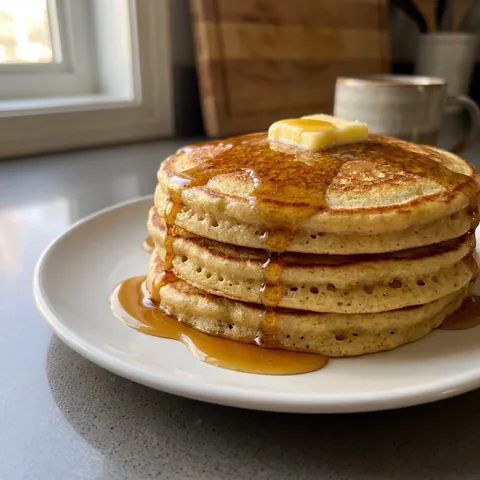
Sourdough Discard Pancakes (Fluffy, Overnight Option)
Sourdough discard pancakes turn the tangy starter you pour off during feeding into a stack of light, tender pancakes.
Open recipe →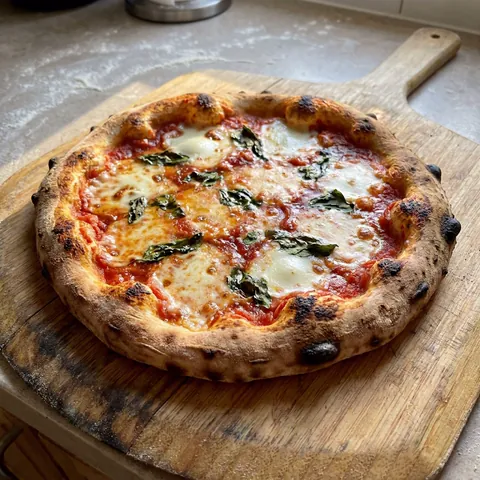
Sourdough Pizza Dough (Chewy Crust, Same-Day or Overnight)
Sourdough pizza dough makes a chewy, blistered crust with a tang that commercial yeast cannot match.
Open recipe →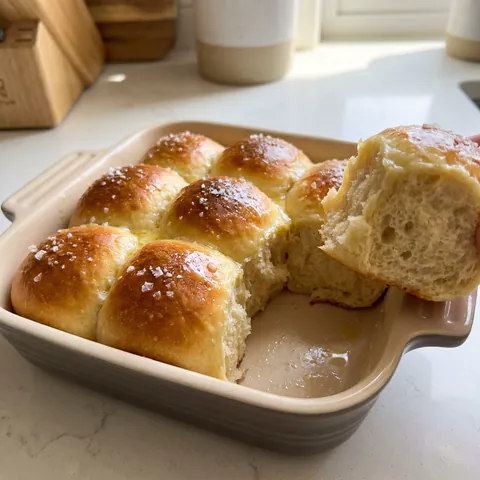
Sourdough Dinner Rolls (Soft & Fluffy)
Sourdough rolls made with milk, butter, and a touch of sugar bake up soft, tender, and lightly tangy, the kind of...
Open recipe →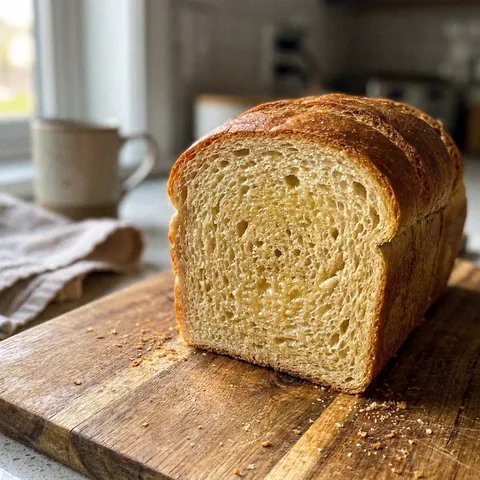
Sourdough Sandwich Bread (Soft Slicing Loaf)
Sourdough sandwich bread is a soft, sliceable loaf with a tender crumb and a thin crust, built for toast, sandwiches,...
Open recipe →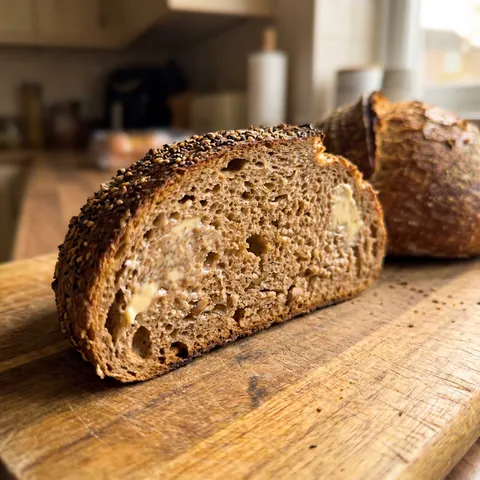
Whole Wheat Sourdough Bread (Soft, 100% or 50% Whole Grain)
Whole wheat sourdough bread has a nutty flavor and a more open texture than you might expect, as long as you adjust the...
Open recipe →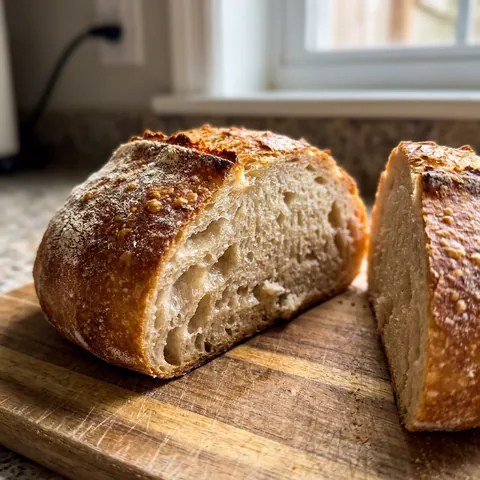
Is Sourdough Bread Gluten-Free? (What the Science Says)
Sourdough bread is not gluten-free, so the short answer to whether sourdough bread is it gluten-free is simply no for...
Open recipe →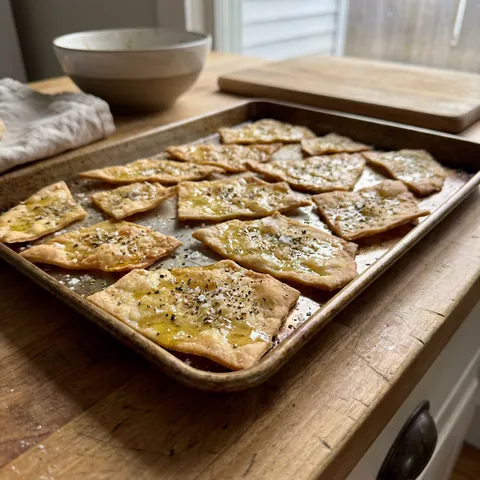
Sourdough Discard Crackers (Crispy, 3 Ingredients)
Sourdough discard crackers are a crisp, savory way to use up the starter you pour off between feedings.
Open recipe →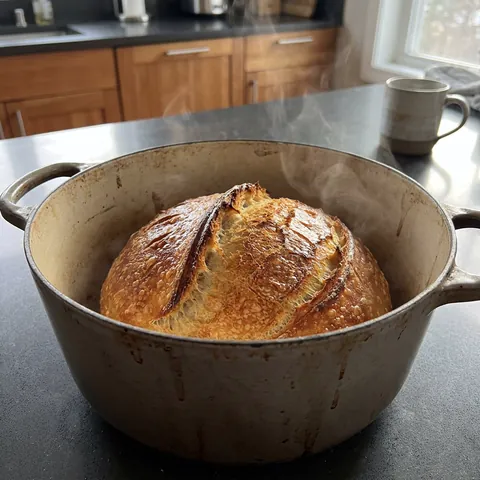
Dutch Oven for Sourdough? (Alternatives That Work)
A Dutch oven for sourdough bread is one of the most reliable tools you can own, because it traps the steam a home oven...
Open recipe →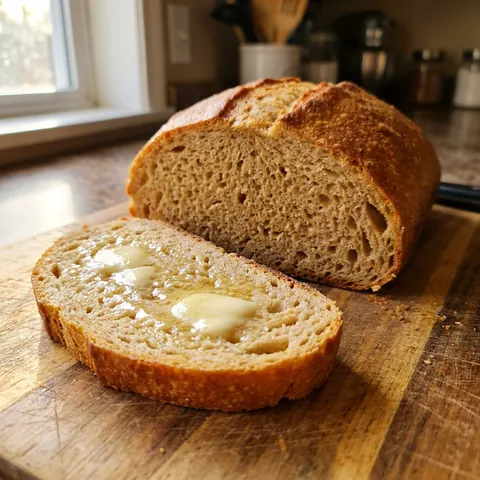
Gluten-Free Sourdough Bread (With Gluten-Free Starter)
Gluten-free sourdough bread is built on a gluten free sourdough starter fed with gluten-free flours, and it bakes into...
Open recipe →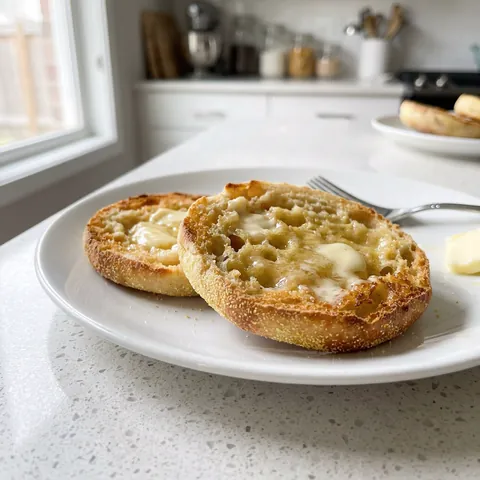
Sourdough English Muffins (Stovetop, Nooks & Crannies)
Sourdough English muffins are cooked on a griddle instead of baked, giving them a flat top, a floury bottom, and the...
Open recipe →Related Collections
Sourdough FAQ
How do you make sourdough bread from starter?
Feed your starter until it is active and doubled, then combine it with flour, water, and salt using a formula like 500 grams flour, 350 grams water, 100 grams starter, and 10 grams salt. Mix, rest, fold, bulk ferment 4 to 8 hours, shape, cold proof overnight, and bake at 450 to 475 degrees Fahrenheit in a covered Dutch oven.
What hydration should a beginner sourdough bread recipe use?
Start around 70 percent hydration, which means 700 grams of water for every 1000 grams of flour. It is slack enough to create an open crumb but firm enough to handle, and you can raise it in small steps as your shaping improves.
How long does sourdough bread take from start to finish?
Most loaves need about 14 to 20 hours when you count the starter feed, the 4 to 8 hour bulk ferment, and the 12 to 16 hour cold proof. The oven time itself is only about 45 minutes, so the schedule is mostly hands-off waiting.
Why did my sourdough bread turn out flat or dense?
A flat or dense loaf usually means the starter was weak, the dough was underfermented or overproofed, or the dough was shaped without enough surface tension. Confirm your starter doubles before baking, watch the dough rather than the clock, and tighten the final shape.
Can I make sourdough bread without a Dutch oven?
Yes. Bake on a preheated stone or steel and add steam with a tray of boiling water or a covered roasting pan for the first 20 minutes. The goal is trapped steam for oven spring, then dry heat for crust color.