
Is Sourdough Bread Gluten-Free? (What the Science Says)
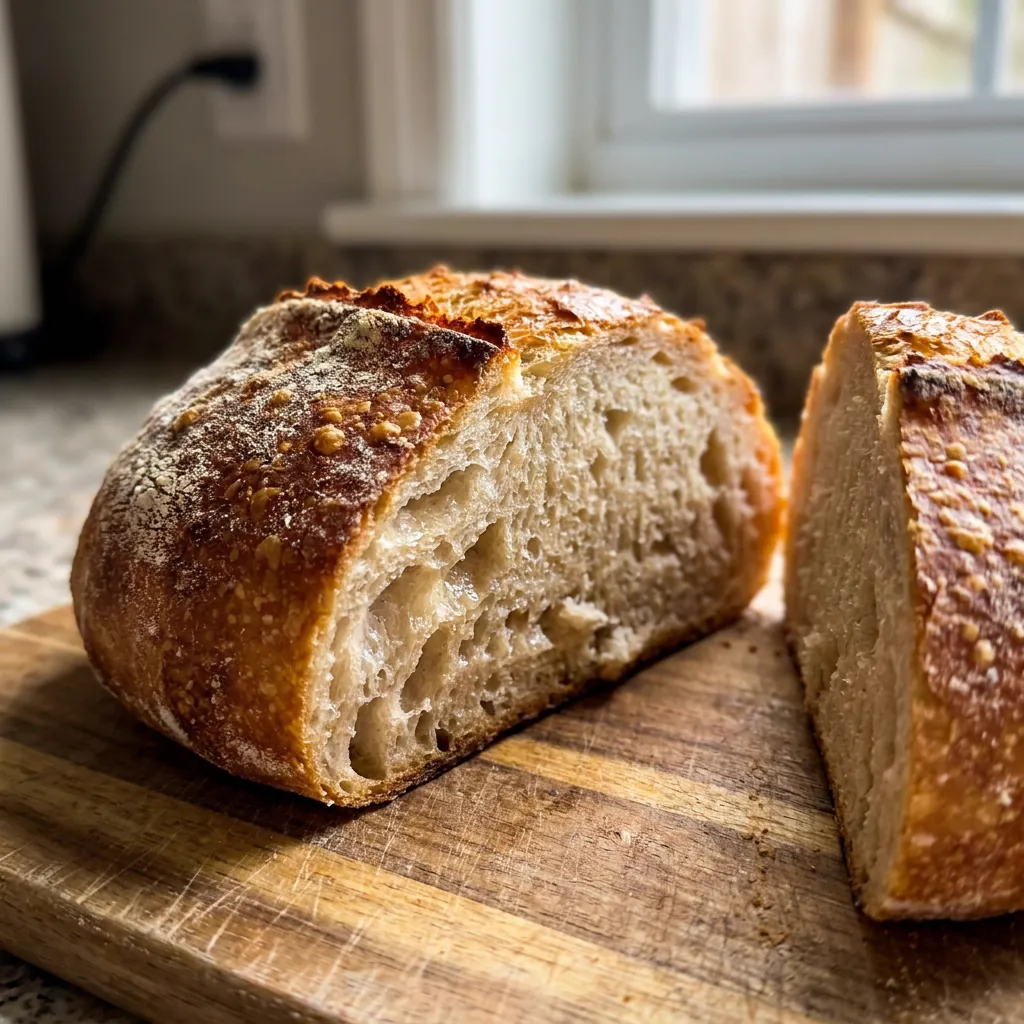
Sourdough bread is not gluten-free, so the short answer to whether sourdough bread is it gluten-free is simply no for anyone who must avoid gluten. Fermentation can reduce some gluten, but it does not remove enough to make wheat sourdough safe for people with celiac disease or a wheat allergy. Below is what the science actually shows and how to bake truly gluten-free sourdough instead.
The short answer on sourdough and gluten
Regular sourdough is made from wheat, barley, or rye, and all three contain gluten. No amount of fermentation turns a wheat loaf into a gluten-free food.
Only sourdough made with certified gluten-free flours and a gluten-free starter can be called gluten-free. A wheat starter cannot be used, because it carries gluten into every loaf.
How sourdough fermentation affects gluten
During sourdough fermentation, lactic acid bacteria lower the pH and enzymes begin to break down some of the gluten proteins, including parts of the gliadin fraction that trigger reactions.
Peer-reviewed studies have measured partial reductions in gluten during long, acidic ferments. However, the reductions are inconsistent and depend on flour, starter strength, time, and temperature, and the remaining gluten almost always exceeds safe limits.
Why it still is not safe for celiac disease
In the United States, the FDA sets the gluten-free labeling standard at less than 20 parts per million. Fermented wheat sourdough stays well above that threshold, so it does not qualify.
For someone with celiac disease, even small traces of gluten cause intestinal damage, often with no immediate symptoms. There is no reliable home test to confirm that a fermented loaf is safe, so the cautious and correct choice is to avoid wheat sourdough entirely.
Gluten sensitivity is not the same as celiac disease
Non-celiac gluten sensitivity can cause discomfort after eating wheat, but it is diagnosed only after celiac disease and wheat allergy are ruled out by a doctor.
Some people with mild sensitivity report that long-fermented sourdough is easier on them, but this is individual and should never be assumed. Always follow medical advice rather than a blog claim.
How to make genuinely gluten-free sourdough
True gluten-free sourdough starts with a gluten-free starter fed on flours such as brown rice, sorghum, buckwheat, or millet, kept entirely separate from any wheat culture.
Gluten-free dough behaves differently: it needs binders like psyllium husk and a shorter, warmer proof. Our gluten-free sourdough bread page walks through a full loaf built on a gluten-free starter.
Reading labels and avoiding cross-contact
Look for the words certified gluten-free on flour blends and check that they are milled in a dedicated facility. Oats and other grains are easily cross-contaminated during processing.
Keep separate jars, bowls, and utensils for gluten-free baking. A shared banneton, bench scraper, or flour cloud from a wheat loaf can transfer enough gluten to matter.
Handy Tips
- If you have celiac disease or a wheat allergy, treat all wheat, barley, and rye sourdough as off-limits, no matter how long it fermented.
- For gluten-free baking, buy a certified gluten-free flour blend and a dedicated gluten-free starter; do not try to convert a wheat starter.
- When in doubt, rely on the FDA gluten-free standard of less than 20 ppm rather than anecdotes about fermentation.
Keep Exploring Sourdough Recipes
Try a variation
You might also like
Explore another collection
Frequently Asked Questions
Is sourdough bread gluten-free?
No. Sourdough made from wheat, barley, or rye contains gluten, and fermentation does not reduce it enough to meet the FDA gluten-free standard of less than 20 parts per million. Only sourdough made with gluten-free flours and a gluten-free starter is truly gluten-free.
Can people with celiac disease eat sourdough?
No. People with celiac disease must avoid all wheat, barley, and rye sourdough because even tiny amounts of gluten cause intestinal damage. Gluten-free sourdough made from certified gluten-free grains is the safe alternative.
Does long fermentation remove gluten?
It reduces some gluten, but not all. Studies show partial breakdown during acidic ferments, yet the remaining gluten stays above safe limits for anyone who must avoid it.
Is sourdough lower in gluten than regular bread?
It can be slightly lower after a long ferment, but the difference is small and unpredictable. It is not a meaningful reduction for anyone with celiac disease or a wheat allergy.